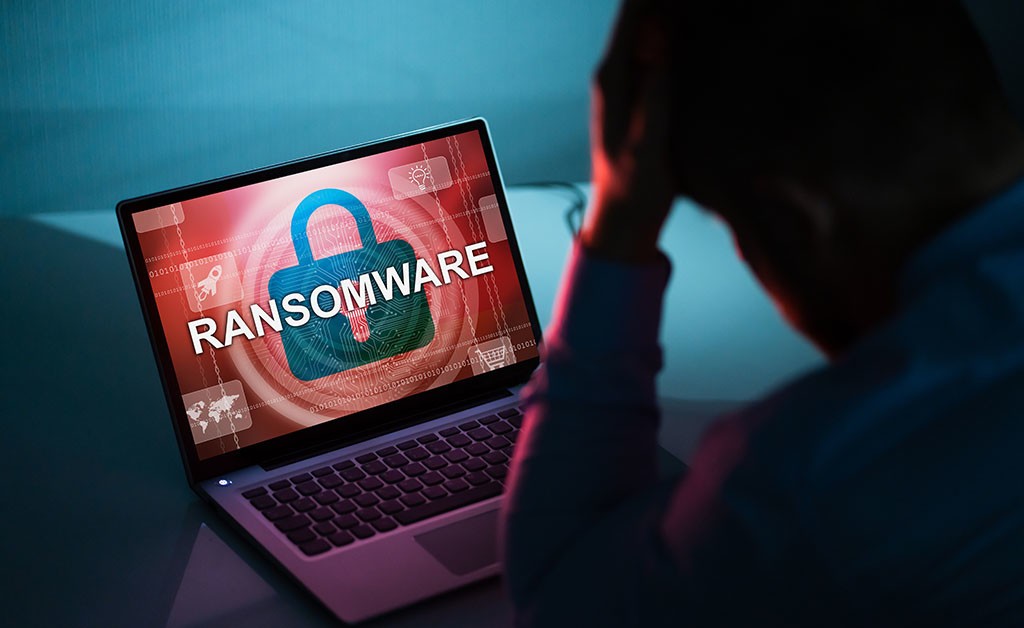
Ransomware
Ransomware and Insider Threats: The Silent Risk That Is Halting Companies in Brazil
In recent years, ransomware has become one of the biggest threats to business continuity in Brazil. More than just malware, this type of attack encrypts the victim's data and demands payment to restore access.
Companies of all sizes, as well as public bodies and critical institutions such as hospitals and universities, have already faced attacks that caused total shutdowns, loss of sensitive data, and serious reputational damage.
Why has Brazil become one of the main targets?
The combination of factors such as vulnerable digital infrastructures; an organizational culture with little maturity in cybersecurity; and the high circulation of personal and financial data makes Brazil one of the countries most affected by ransomware attacks in the world.
Sectors such as healthcare, education, retail, and the public sector are among the most targeted, and in many cases, without adequate backups or an incident response plan, the impact becomes devastating.
But the risk doesn't only come from outside.
In addition to external threats, there is growing concern about internal threats, often caused by human error, negligence, or even bad faith. An employee with privileged access and without adequate supervision may, inadvertently or intentionally, pave the way for attacks or even initiate them.
What should executives do now?
For organizations that want to reduce operational risks and protect their reputation, prevention is not just technical, it's strategic. Having specialized consulting services can accelerate security maturity, avoiding misdirected investments and critical vulnerabilities.
Among the essential recommendations are:
• Regular and verified backups, with periodic recovery tests and isolated storage;
• Zero Trust strategies, preventing an attacker from moving laterally within the network after initial access;
• Multifactor authentication (MFA), enhanced with biometrics or physical tokens;
• Periodic awareness training to reduce the risks of social engineering and credential leaks;
• Updated incident response plans, with a team prepared to act quickly and clearly in the event of an attack.
In times of ransomware as a service (RaaS), it's not enough to react. You need to anticipate.
Is your company prepared?
Executives who view security as an integral part of the business—and not just an IT cost—gain a competitive edge. Specialized consulting firms can offer diagnosis, planning, and implementation of measures that truly protect operations.
Don't wait for the worst to happen before taking action. Talk to experts who know how to protect data, operations, and reputations.